

Reflecting on 2025 and the road ahead

By Clive Foster, MBE,
Windrush Commissioner
As we approach the end of the year, I want to take a moment to reflect on what we’ve achieved together – and what I’m determined to deliver in 2026. When I launched my office in Hackney earlier this year, my mission was clear – to deliver justice for everyone affected by the Home Office Windrush scandal and ensure this injustice never happens again.
I began with a simple decision: to listen first.
Since then, I’ve travelled across Wales, Scotland, Northern Ireland, Birmingham, Leicester, London, and Nottingham. I've listened to hundreds of people, in community halls, churches, universities and museums.
I’ve met veterans who spoke proudly about their distinguished service to this country, heard from families, advocates, and survivors about grief, exhaustion, and justified anger at processes that need to work better.
Each story stays with me and each one shapes how I take your voices to government.

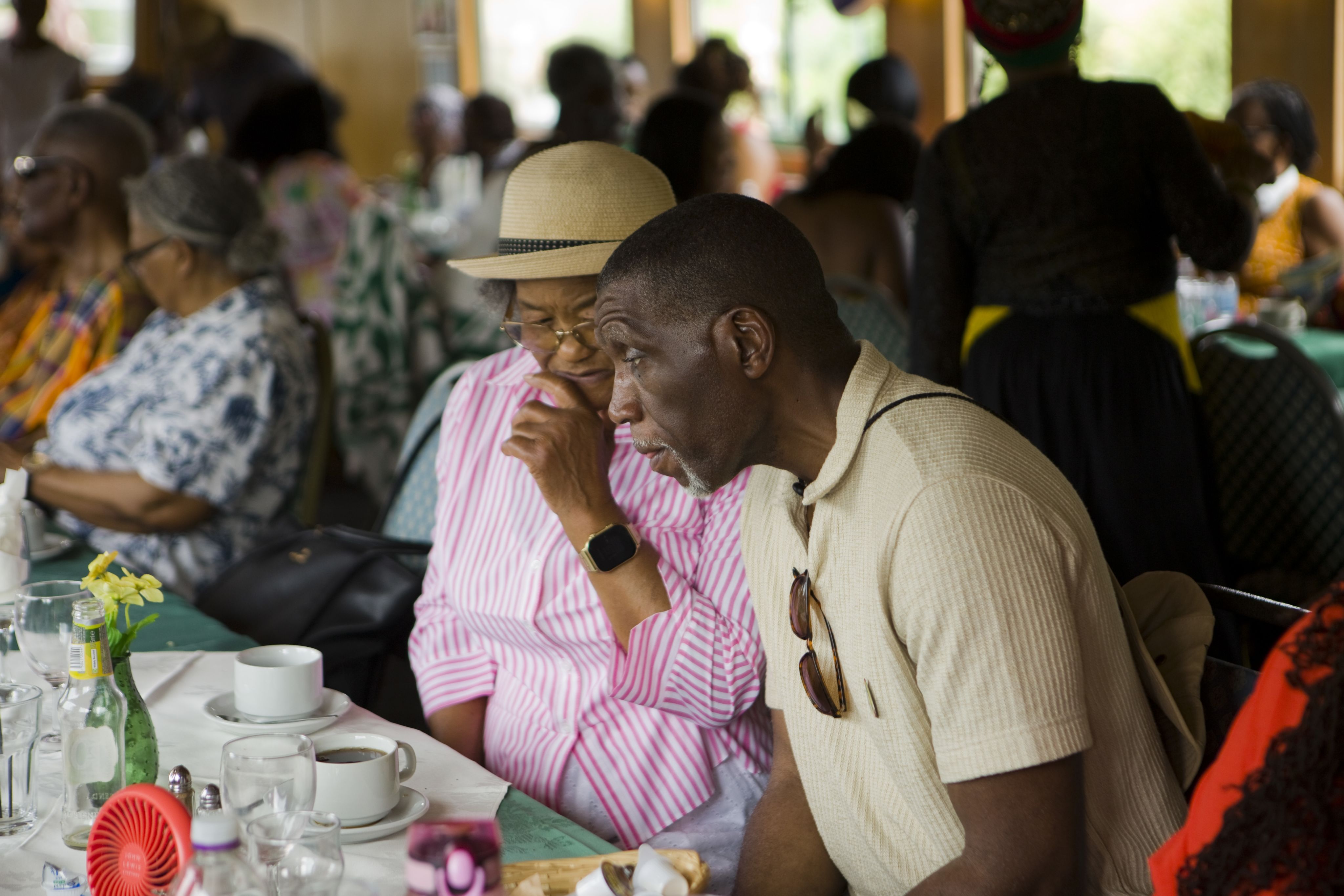
Listening to elders on the Nottingham Windrush boat cruise
Listening to elders on the Nottingham Windrush boat cruise

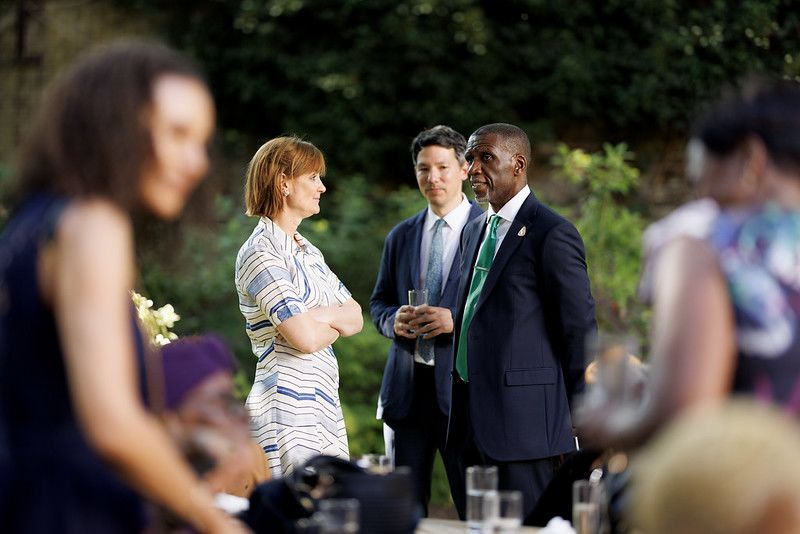
Windrush event in the garden at 10 Downing Street with Guardian journalist Amelia Gentleman on June 18 2025, the day the UK Windrush Commissioner was announced
Windrush event in the garden at 10 Downing Street with Guardian journalist Amelia Gentleman on June 18 2025, the day the UK Windrush Commissioner was announced
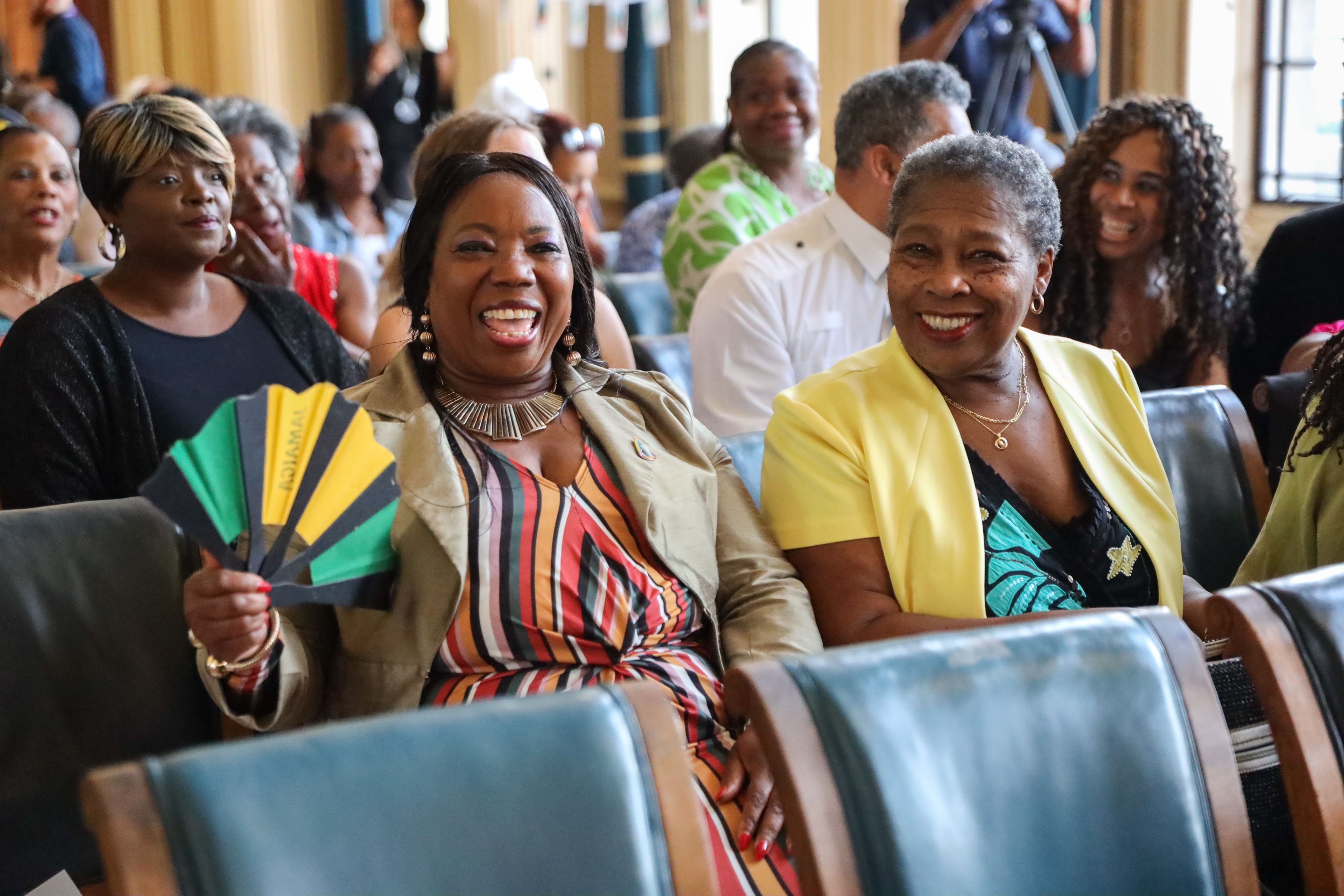
A Windrush Day civic reception at Nottingham City Council House
A Windrush Day civic reception at Nottingham City Council House
What I've heard this year
Across the UK, I’ve heard three clear themes:
1. The Compensation Scheme needs urgent reform. Many people don’t have time on their side. Communities have told me they’re worried more survivors will die without receiving justice. I’ve heard about the trauma of long waits, confusing forms and nil awards that arrive with little explanation. Nearly 60% of claims are still rejected – a figure that’s unacceptable and continues to erode trust.
2. Survivors need better support. Awareness about entitlements is fading, and people overseas often have no idea where to turn. Many are using the claims process to share experiences of racism and discrimination – not because it was designed for that, but because there’s nowhere else for those stories to be heard.
3. There’s deep concern about the future. Communities told me they fear their hard-won rights could be at risk again following recent political rhetoric on migration. They want lasting safeguards, not promises that depend on who’s in government.

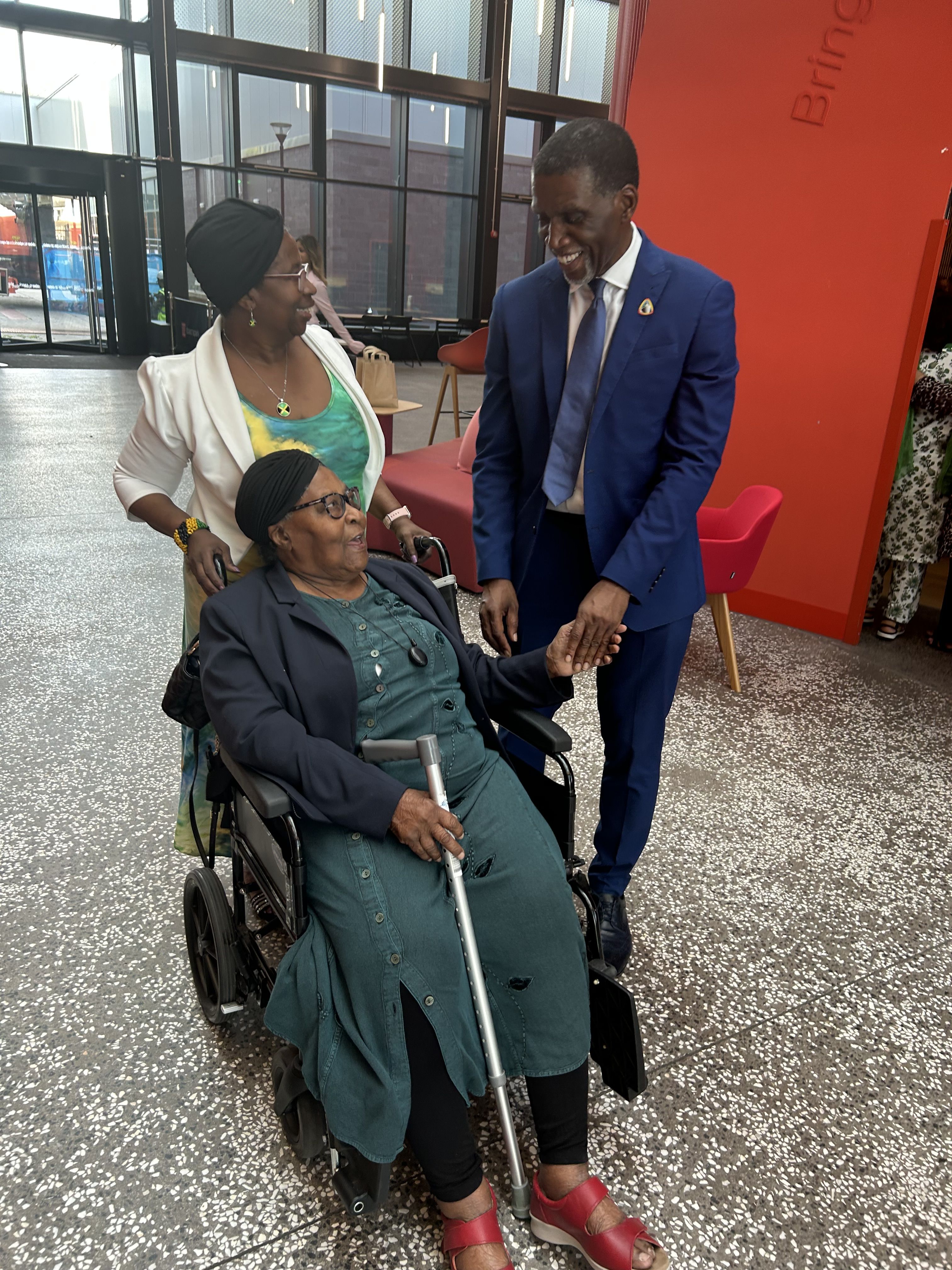
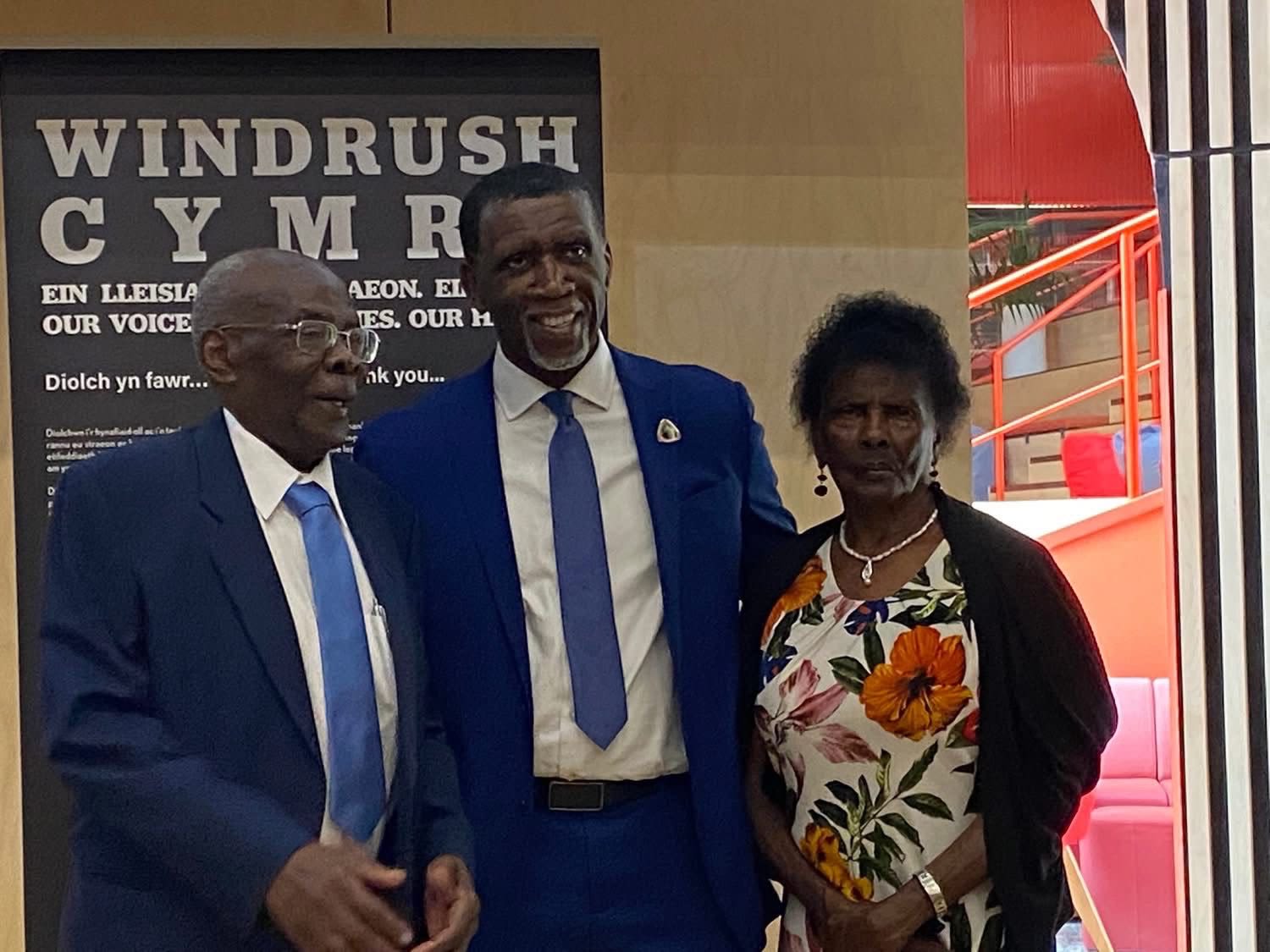
Meeting members of the Windrush community in Cardiff, Wales, above and below
Meeting members of the Windrush community in Cardiff, Wales, above and below

Taking your voices to government
I've taken your voices into the rooms where decisions are made. Your concerns have directly informed urgent recommendations for change in my letter to ministers.
I recently met the Minister for Migration and Citizenship, Mike Tapp, and pressed him on progress implementing changes to the Windrush Compensation Scheme and priorities for the months ahead. I've since written to him, setting out what must happen next year to deliver justice and support to those affected by the scandal. These conversations have been constructive, but what matters now is delivery.

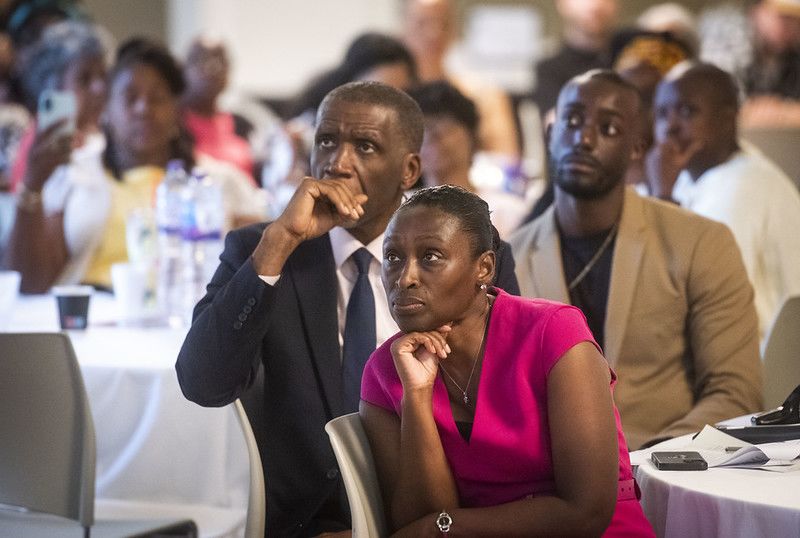
Listening to personal testimonies of victims of the Windrush scandal at launch event
Listening to personal testimonies of victims of the Windrush scandal at launch event
Progress, yes. But more change is needed
In response to my recommendations, the Home Office has announced important Windrush Compensation Scheme changes. These address concerns I raised about people dying without justice, the financial hardship caused by waiting for final decisions, and the need to compensate survivors for real losses.
· Prioritising claims and reviews from those aged 75+
· Compensation for pensions losses and immigration fees
· Advance compensation payments of up to 75% while cases are reviewed
· Adjustments for wage inflation and long-term unemployment
Many people I’ve spoken to are unaware of these changes or unclear about their practical implications. I’ve pressed the Minister to ensure communications provide clear guidance and go beyond GOV.UK and mainstream media, targeting both affected communities and organisations supporting survivors.
I’ve also asked the Minister to support a targeted UK and international awareness campaign to address the inconsistent understanding of eligibility and entitlement across communities, both here and overseas.
While this progress is welcome, I’m disappointed that my recommendations to compensate survivors for future earning losses was not accepted. This remains a serious gap that I will continue to push on.
There’s much more to do. We need urgent progress to tackle the high rate of £0 (nil) awards, improve transparency around ‘impact of life’ awards, and to ensure consistency, compassion, and clear communication at every stage of the process. The scheme also needs greater transparency, publishing meaningful performance information so people can see how its working and hold government to account.
When I’ve seen failures in compassion, I've stepped in. When Hannah Dankwa was prevented from returning home to the UK, I intervened with HM Passport Office, and they’ve now agreed to meet the family, understand the impact, and learn from the case.
As that case shows, more work is required to change culture in the Home Office. This month, I addressed thousands of Home Office staff directly with a clear message: compassion and humanity must guide every policy and casework decision. Staff should feel empowered to speak up when something doesn't feel right.
I've also secured a key step forward. My remit now includes both the Windrush Compensation Scheme and the Windrush Status Scheme – because status and compensation are inseparable. To underpin this and provide independent assurance, I've proposed a Windrush Schemes Assurance Board, bringing together senior Home Office officials responsible for both schemes.
My priorities for 2026
1. Urgent reform of the Compensation Scheme. I’m pressing ministers for a trauma-informed redesign, faster decisions, and fairer recognition of loss. I've also recommended that I conduct an independent review to understand what's driving the high rate of nil awards and to rebuild trust in the system.
2. Better support for survivors. Survivors have told me that advocacy and legal advice can transform their claims. Comparable compensation schemes provide funded legal support, and I believe the Windrush Compensation Scheme should do the same. I've raised this with the Minister and will send him recommendations in the new year.
I've also raised concerns about the inconsistent quality and availability of advocacy support, and gaps in the Advocacy Support Fund - particularly for claimants seeking to review Home Office decisions. I'm pressing for culturally informed trauma counselling that understands the unique impact of the scandal.

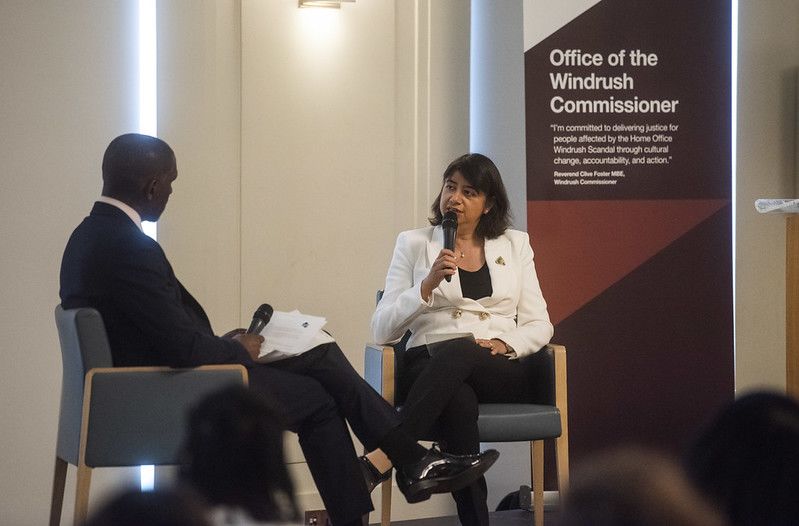
Windrush Commissioner launch event with Seema Malhotra MP, Parliamentary Under Secretary, Minister for Equalities
Windrush Commissioner launch event with Seema Malhotra MP, Parliamentary Under Secretary, Minister for Equalities

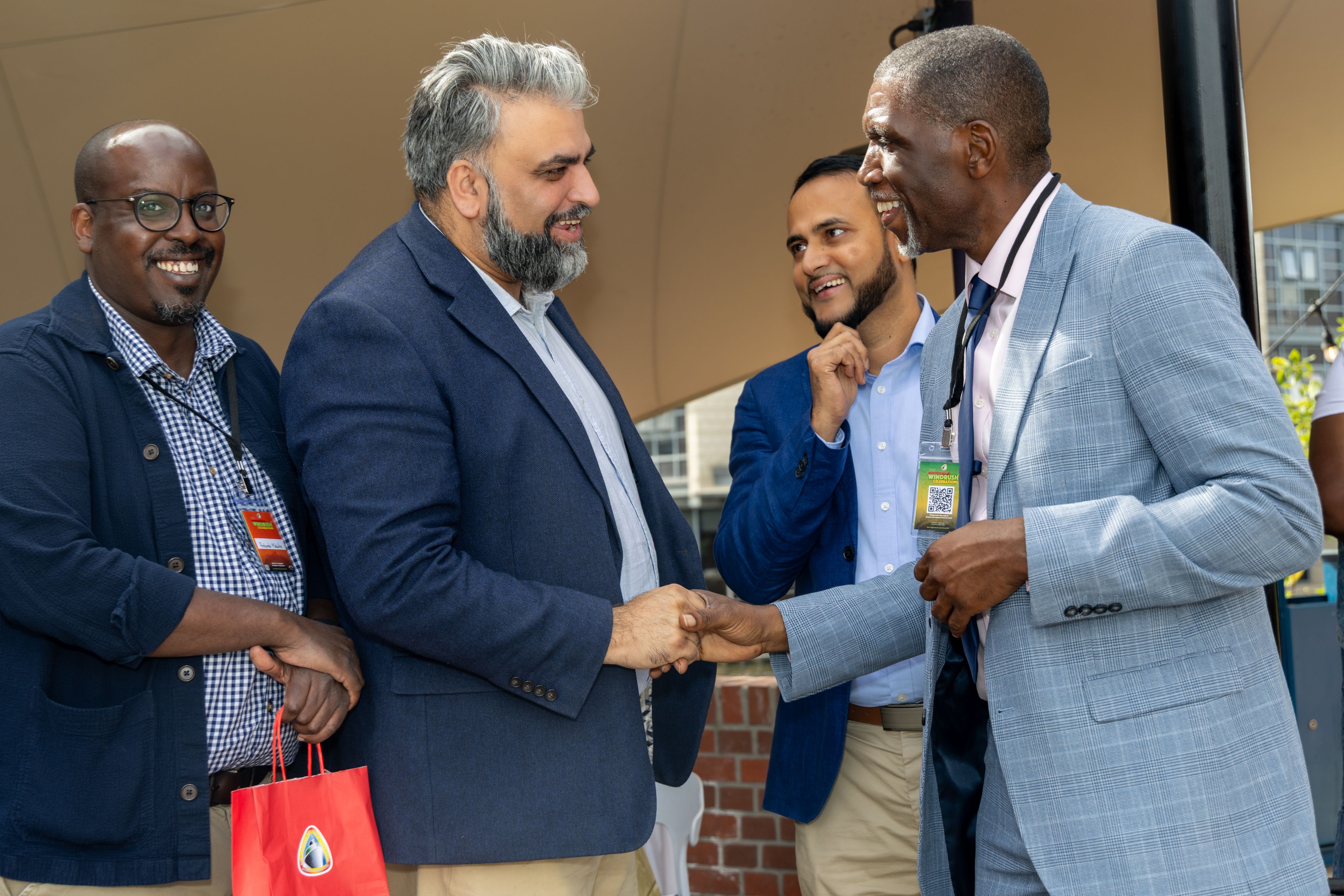
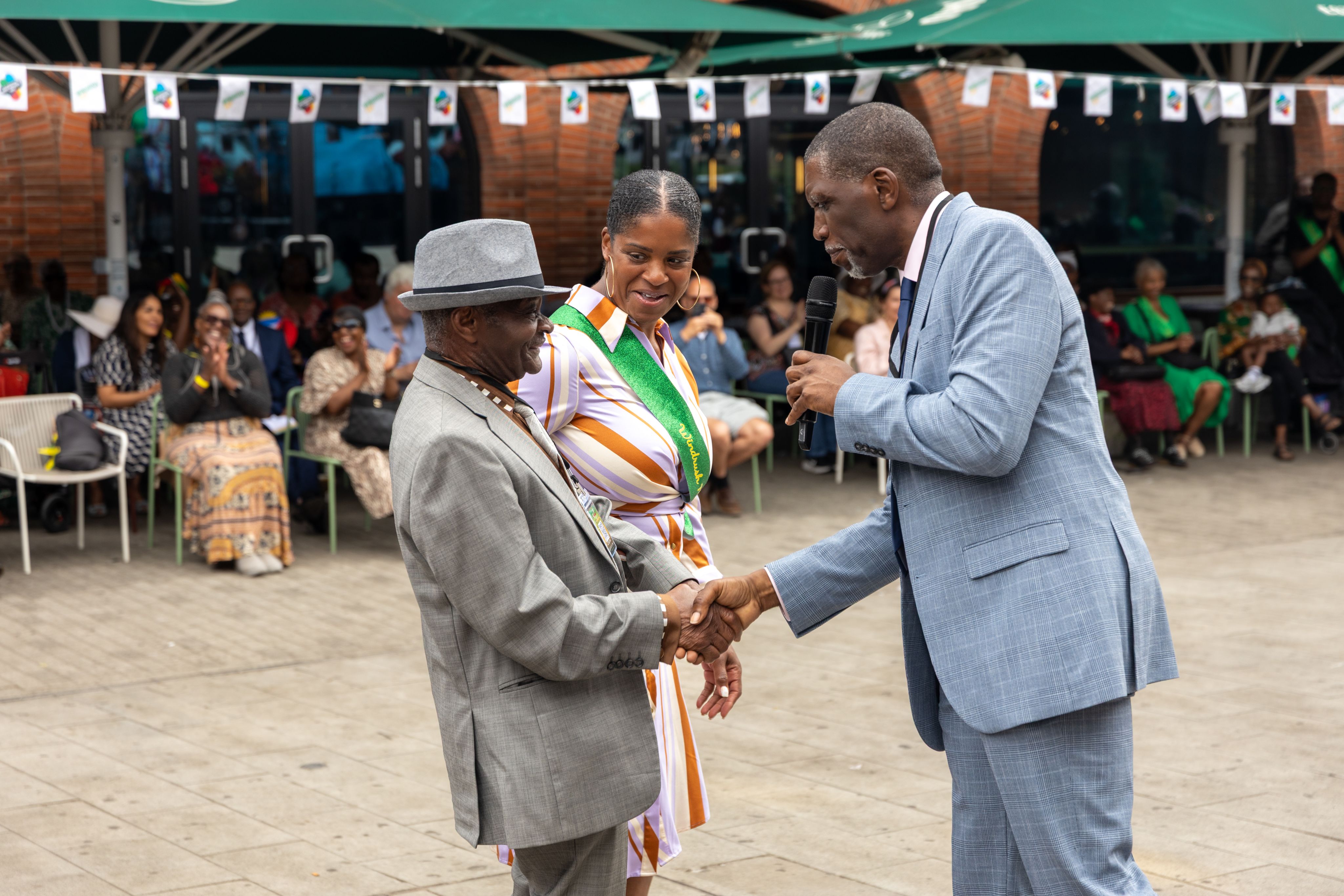
Meeting diverse Commonwealth communities at Nottingham Windrush Day celebration
Meeting diverse Commonwealth communities at Nottingham Windrush Day celebration
To strengthen local outreach, I’m launching a Windrush Councils Network. In the new year, I’ll introduce a Lived Experience Platform so survivors can help co-design solutions which I can take to government.
3. Status for everyone entitled – here and overseas. Without status, everything becomes precarious but there are people out there who have yet to secure theirs. I’ll work with the Home Office and High Commissioners to improve access, raise awareness and strengthen embassy support and post-return services.
4. Preventing future injustices. I’ll keep pushing for long-term safeguards to protect people who have a legal right to be in the UK from unintended consequences. Communities are rightly worried about changes to Indefinite Leave to Remain policies. People still waiting for their status are anxious, and there is real concern that without real oversight, the Home Office could repeat past mistakes.
I've told the Home Office they must reassure communities now. Any changes to policies need to be properly tested before they're introduced, with clear safeguards in place. I've asked to review those safeguards myself, and I expect that to happen.
Strengthening trust and responsiveness
Trust matters. That's why I was disappointed my office wasn't consulted before the Home Office published its Equality Impact Assessment on 28th November. Some of the language used - particularly about employment prospects for Black and mixed heritage - was insensitive and has understandably update people. I've raised this with the Minister and asked to be involved in the next review in April.
I've also spoken to Ministers about the response to Hurricane Melissa. Communities are calling for temporary humanitarian visas for people with close family in the UK, and fee waivers for vulnerable relatives of UK nationals. These are compassionate, practical asks that deserve serious consideration.
This work is personal
People often ask why I took on this role. The answer is simple: because I care deeply about justice for people from across the Commonwealth who contributed so much to our society and were wronged.
I have been advocating for years and now I can use this position to make government listen. My voice is my own. I'll work with government where it delivers justice and challenge it — without fear or favour — where it falls short.

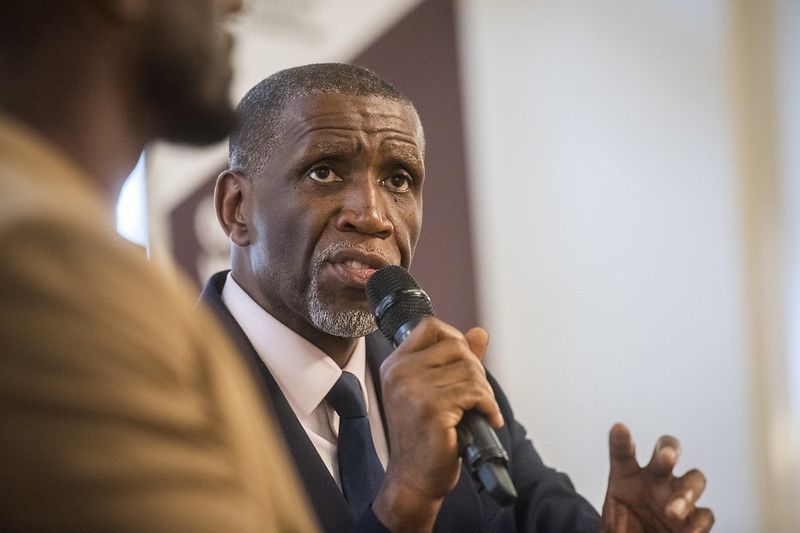
Building this together
Transparency and partnership are essential to progress.
Keep telling me what you see and experience – both good and bad.
Help me reach those unaware of their right to compensation or status.
Work with my office to design solutions that truly work for survivors.
My success will be defined by the progress we make together. As I hold government to account, I invite you to apply the same scrutiny to my role.

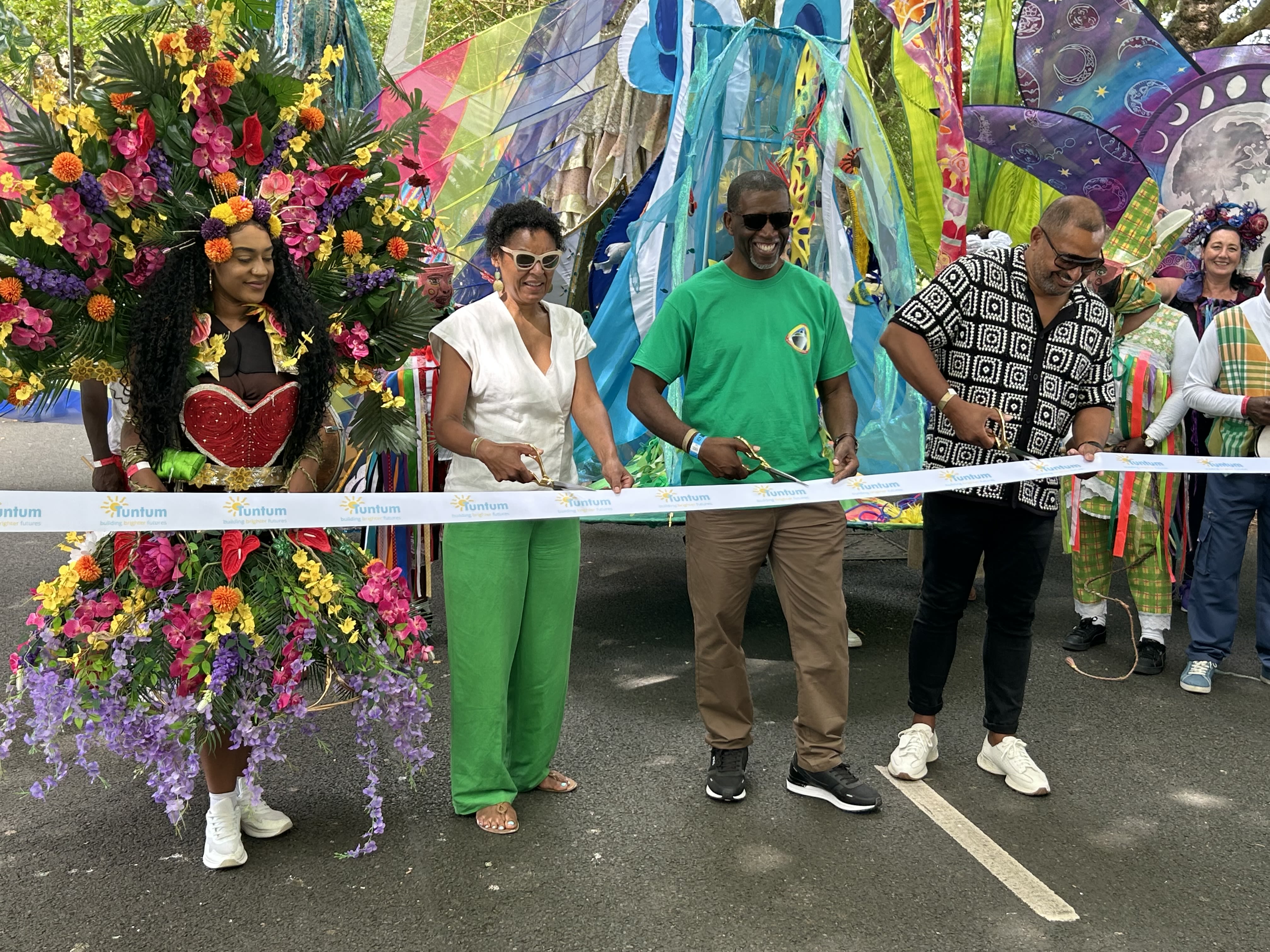
Nottingham Carnival ribbon cutting, Victoria Embankment, Nottingham
Nottingham Carnival ribbon cutting, Victoria Embankment, Nottingham
Looking Ahead
There has been real progress this year, but there is still a long way to go. As we head into the new year, I'm focused on delivery and driven by purpose. The Windrush story is one of courage, contribution and community. Together, we can make it a story of justice and healing.
I wish you and your loved ones a peaceful Christmas and a hopeful new year.
Image credits: Hauwa Abdulmalik Yusuf, George Brown, Lauren Hurley
The Windrush Commissioner is the independent voice for victims of the Home Office Windrush scandal
Contact us: info@windrushcommissioner.independent.gov.uk www.windrushcommissioner.uk
 Built with Shorthand