
REALITY CHECK:
OCD OFF SCREEN
OCD is one of the most misunderstood mental health conditions, yet is referred to so often as a throwaway term.
"A bit OCD" has become a way of describing yourself as tidy, organised or clean, a description that shows little resemblance to the distressing, time-consuming reality of Obsessive-Compulsive Disorder.
Behind the "quirky" characters and "silly" intrusive thought are real people living with a real tormenting condition that its rarely truly portrayed in the media.
LILY'S OCD JOURNEY
A piece of jewellery leading to a car malfunction may seem unlikely for some. For Lily Shervington, it felt like the most obvious explanation.
When her car would not start, her first assumption was that a different pair of earrings had somehow caused the dead battery. She described this as “irrational” thinking, but it is an everyday reality for her and for others living with obsessive-compulsive disorder.
Lily is a 25-year-old mental health influencer who has OCD. She believes the first signs appeared at the age of 11 and she received a formal diagnosis at 15. She describes her OCD as a “petrified child” that requires strict routines in the morning, evening, and throughout the day.
“It’s like you’ve actually lived that experience because you’ve thought it, you’ve seen it, you’ve felt it.”
Lily recalled an incident with a reusable water bottle she believed she had to use to stop someone becoming ill or dying. Her mother noticed how frightened she was of changing this routine, leading to her diagnosis.
Hours of routines and an intense fear of change were driven by anxiety that something might go wrong. This sense of over-responsibility is a common symptom of OCD and places people under intense, often unwarranted, pressure.
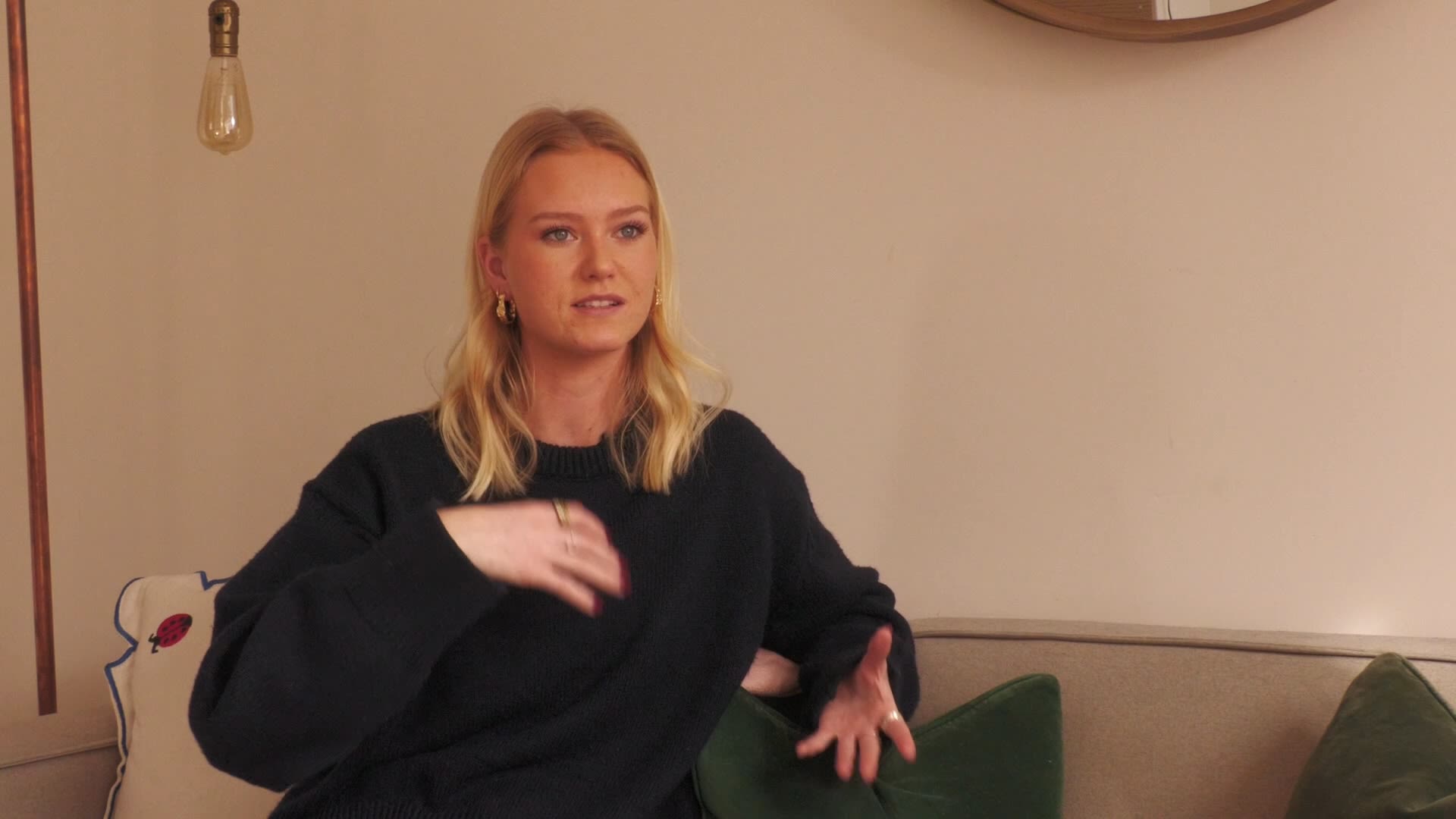
Lily Shervington explaining her intrusions
Lily Shervington explaining her intrusions
Obsessive-Compulsive Disorder is ranked as the tenth most disabling disorder by the World Health Organisation.
Motivated by a desire to help others, Lily began posting online about taking antidepressants. She was quickly met with a wave of online hate and stopped posting. It wasn’t until six months later that she decided to try again.
Her aim was to create the kind of content she wished she had seen as a teenager, videos that helped young people understand their mental health and realise they were not alone. Building that platform brought serious challenges, including death threats and derogatory comments.
Although, the hate she has received has been largely outweighed by the positive impact of her platform. Shervington said she has been sent messages from people who have used her videos to explain their own OCD to friends and family, in words they could not find themselves.
Her online stream of conscious thought offers a relatable voice for others living with OCD and reassurance that they are not suffering alone. Her platform is a safe space for her followers where they can find support and talk about their experiences without fear of judgment.
Lily emphasised the impact therapy has had on her experience with OCD, while being honest about how hard the process has been.
“I always thought that people don’t know what it feels like to have something you have to fix just to get through a day.”
After a referral to a psychiatrist she went on an OCD-specific cognitive-behavioural training course, including exposure work and learning to rationalise her fears. Through therapy, she has learned the importance of challenging intrusive thoughts and to look for evidence before acting on them, however distressing they may feel.
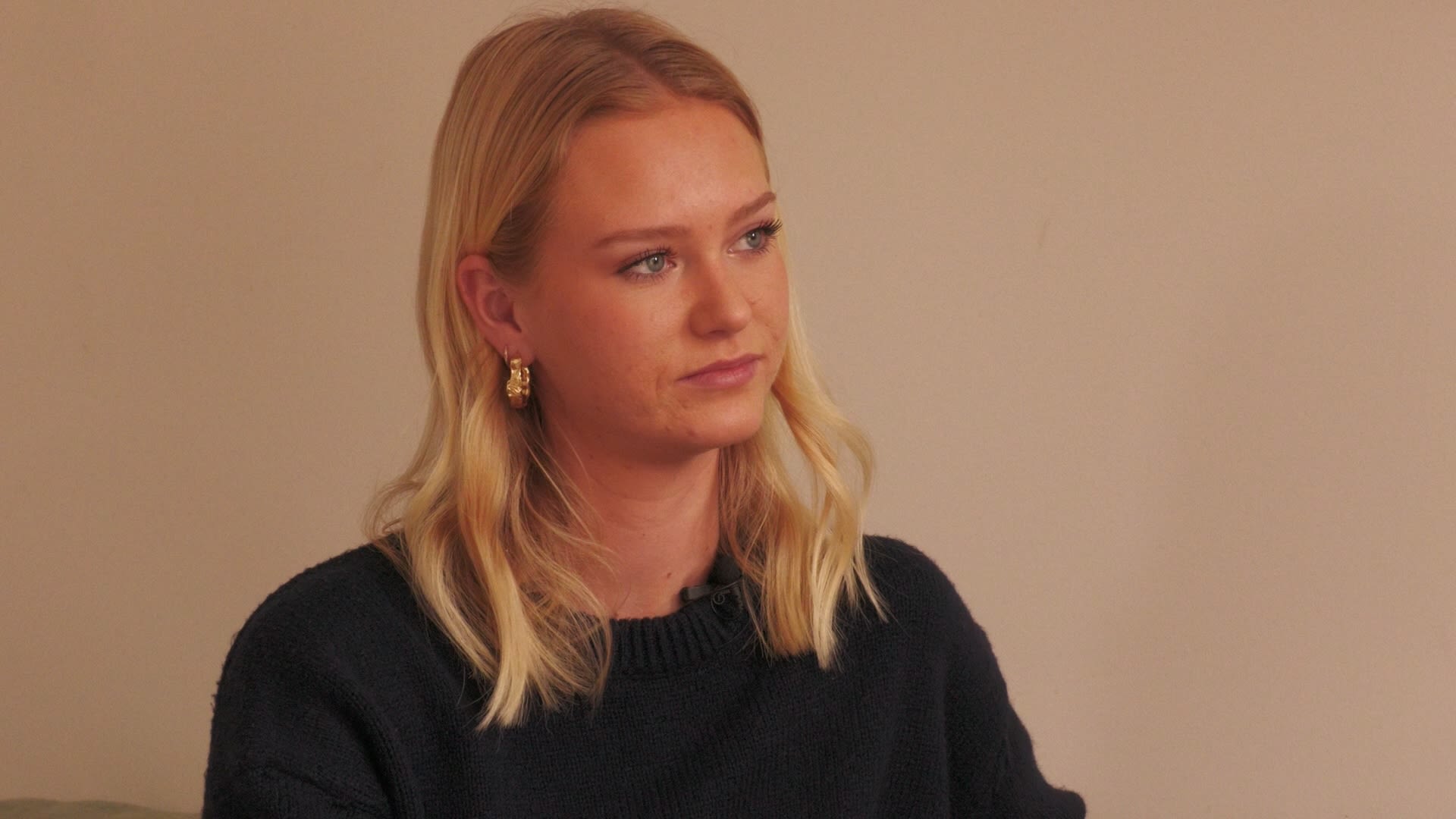
Lily Shervington talking about her experience with OCD and therapy
Lily Shervington talking about her experience with OCD and therapy
After a year of consistent therapy, Lily said her OCD has started to shift. A change of perspective helps her to question and reframe her thoughts, allowing her to focus more on small but significant wins such as wearing a new pair of earrings and managing her anxiety throughout the day.
But perhaps the biggest change is Lily now feels sympathy for the petrified child in the back of her mind.
"It has to interfere with functioning for it to be classified as a disorder."
Roz Shafran
Clinical Psychologist and OCD Expert
WHAT IS OCD?
Obsessive compulsive disorder (OCD) is a mental health condition characterised by unwanted, intrusive thoughts and images, and compulsive behaviours carried out in an attempt to ease anxiety.
Professor Roz Shafran defining OCD
Professor Roz Shafran defining OCD
A lack of public understanding around OCD leads to low help-seeking rates.
As a result, many people live with undiagnosed OCD, meaning official cases likely capture only a fraction of cases.
A lack of public understanding around OCD leads to low help-seeking rates.
As a result, many people live with undiagnosed OCD, meaning official cases likely capture only a fraction of cases.
Professor Roz Shafran explaining intrusive thoughts
Professor Roz Shafran explaining intrusive thoughts
OCD can manifest into many forms, the majority of which are rarely portrayed in the media and are classed as "taboo" symptoms.
Fear of Contamination
An intense fear of germs, bacteria or illness leading to excessive cleaning, handwashing and avoidance of places or objects perceived as contaminated.
Checking OCD
Characterised by persistent doubt and fears that drive obsessive behaviours to verify safety, like checking door locks repeatedly.
"Just Right" OCD
Marked by a constant sense that things are off or incomplete which provokes repetitive behaviours, like retracing a step until the feeling of "rightness" is achieved.
Symmetry OCD
An overwhelming need for things to be perfectly aligned and balanced to fulfil a sense of "rightness". Unlike perfectionism, symmetry OCD is driven by anxiety.
Harm OCD
Involves unwanted, distressing thoughts and images about causing harm, trigging strong feelings of fear or guilt as a result. Avoidance or reassurance-seeking behaviours, like hiding kitchen knives, are used to reduce anxiety.
Religious OCD
Involves intrusive blasphemous thoughts, fears of sinning or worry of losing control in religious contexts, often leading to excessive prayer and repeated confession.
Sexual OCD
Characterised by distressing, intrusive thoughts and images about causing sexual harm or acting sexually inappropriate, often contradicting the individuals true desires causing fear and shame.
Moral Scrupulosity OCD
Involves persistent fears of moral wrongdoing or being a bad person, often leading to repetitive analysis or doubt about past actions.
OCD can appear in many forms, meaning it can be depicted in different ways across film, television and other media. Yet portrayals often reduce the condition to a quirk, a cleaning obsession or a source of comic relief.
Media misrepresentations can contribute to stigma which may discourage people from seeking help.
MISREPRESENTATION
As shown in the video above, media texts often reduce OCD to a comic stereotype and limits its representation to visible actions.
This can leave out the intrusive thoughts and distress that are central to the condition
STIGMA
By using OCD for comic effect, media texts risk trivialising the condition and creating embarrassment.
Repeated portrayals of OCD as being solely about cleanliness also help to sustain stereotypes that do not reflect reality.
DELAYS TO SEEKING HELP
Fear of shame and embarrassment created by stigma can discourage people from seeking the support and diagnosis they may need.
A lack of accurate portrayals can also mean some people do not recognise their own symptoms.
"However terrifying it feels, let someone else carry it with you"
Lily Shervington
CHANGING THE NARRATIVE
To better support people with OCD, such as Lily Shervington, the media needs to show more accurate and honest portrayals of the condition.
This could improve public understanding, reduce stigma, and encourage people to seek help without shame.
Education about coping mechanisms and available support is also vital.
OCD may not disappear, but it can be managed through therapy, journaling, exercise, or other help.
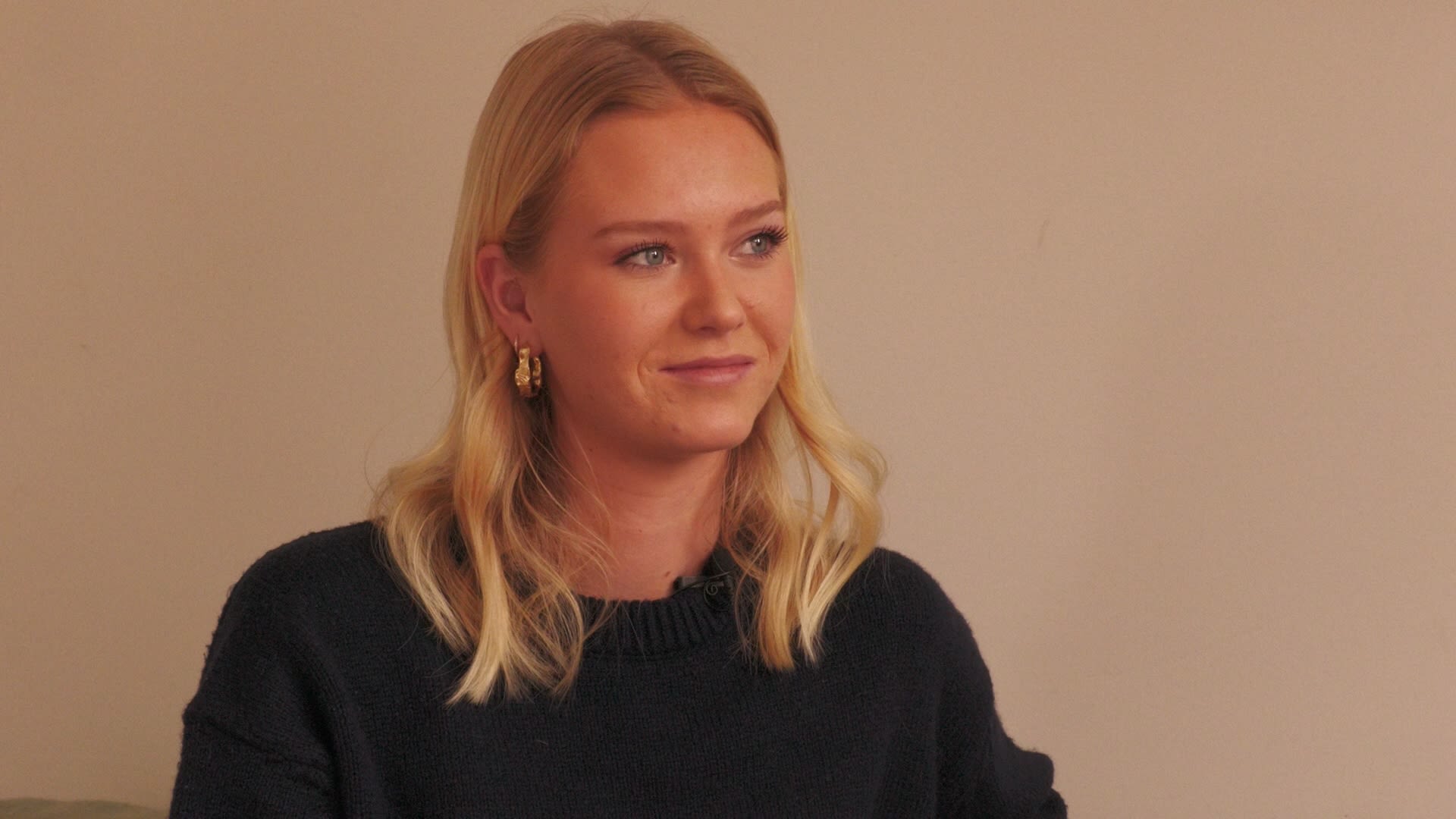
Lily Shervington sharing her advice on OCD.
Lily Shervington sharing her advice on OCD.
 Built with Shorthand